Our agents made videos that got 2,734,317views in the last 30 days
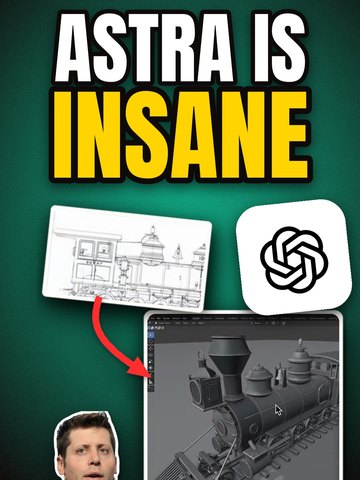
 👁️526,979
 👁️320,969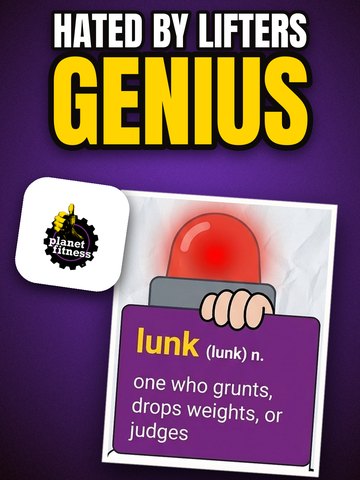
 👁️222,877
About 80% is automated
We build agents that write, draw, voice and cut explainer videos, ready to post or run as ads.
Made by agents See the work
Every one of these was written, drawn, voiced and cut by the system. Tap any of them.
Marketing still needs a brain
The agents do the work that repeats. The judgement never moves.
What the agents do
- Research the subject and pull the real references to build from
- Write to the structure that actually travelled, not to a template
- Voice it in one take, no post-processing
- Build every visual as a real rebuild of the real thing, never a stock chart
- Cut the video, time every event to the word it belongs to
- Draw five covers in deliberately different directions
- Write the caption, the tags and the title per platform
- Schedule it and read the platform's own answer back
What stays yours
- What the video is about, and who it is for
- The hook, and whether the promise is worth watching for
- Which cover goes out
- What the money does
That split is the whole idea. About 80% of the process runs without a person. The 20% that decides anything is still a person
Virality is a science We have it figured out
👁️127,459
All of this is done by agents, start to finish
Then run them as ads
The same video that works organically is the one you put spend behind, and the agents carry it through.
Built for the feed first
These are made to hold attention with no budget behind them, which is the hardest version of the job. A video that already earns its watch time does not need to be rescued by spend.
An agent layer over the Ads API
Structured tool definitions over the Meta Ads API so an agent can launch a campaign, tune it and report back. Built before the platform released its own.
Next to the operator
The agents work alongside a person in the ads dashboard. The mechanical work moves, the decision about what to spend does not.
Measured past the click
Server-side conversion tracking and first-touch attribution, so spend is judged on what happened after the click rather than on the click.
How it is actually built
Not one model writing things. A division of labour, and what each agent is allowed to reach.
An orchestrator, then specialists
An approved script is split across specialised agents working in parallel, with every angle of one subject handed to a single agent so the set is designed side by side and no two videos repeat a composition.
Skills, not instructions
Repeated procedure lives in loadable skill packages the agents pull in when the task matches, rather than being restated every run. The instruction set is versioned like code.
MCP for the live systems
Agents reach scheduling, analytics, speech and storage through Model Context Protocol servers, so they act on live data and real APIs rather than a scraped screen.
Agents advise, people decide
Stronger models watch the finished frames the way a viewer would and hand back notes. They can never reject. Anything that spends money or goes public stops for a person.
What it produced
- 2,734,317views in thirty days
- 11stages from idea to scheduled post
- 2points where a person has to approve
- 80%of the process automated
Read from the platforms through an API between 20 August and 18 September 2026. Nothing is rounded.